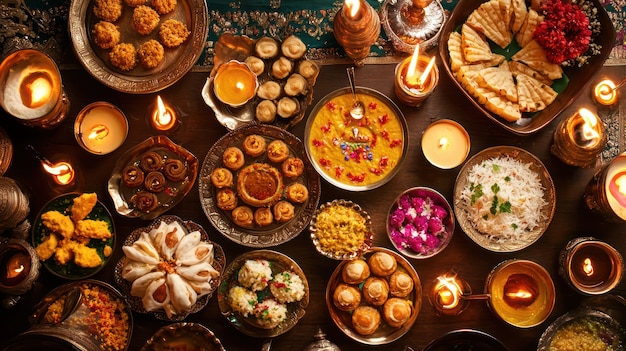

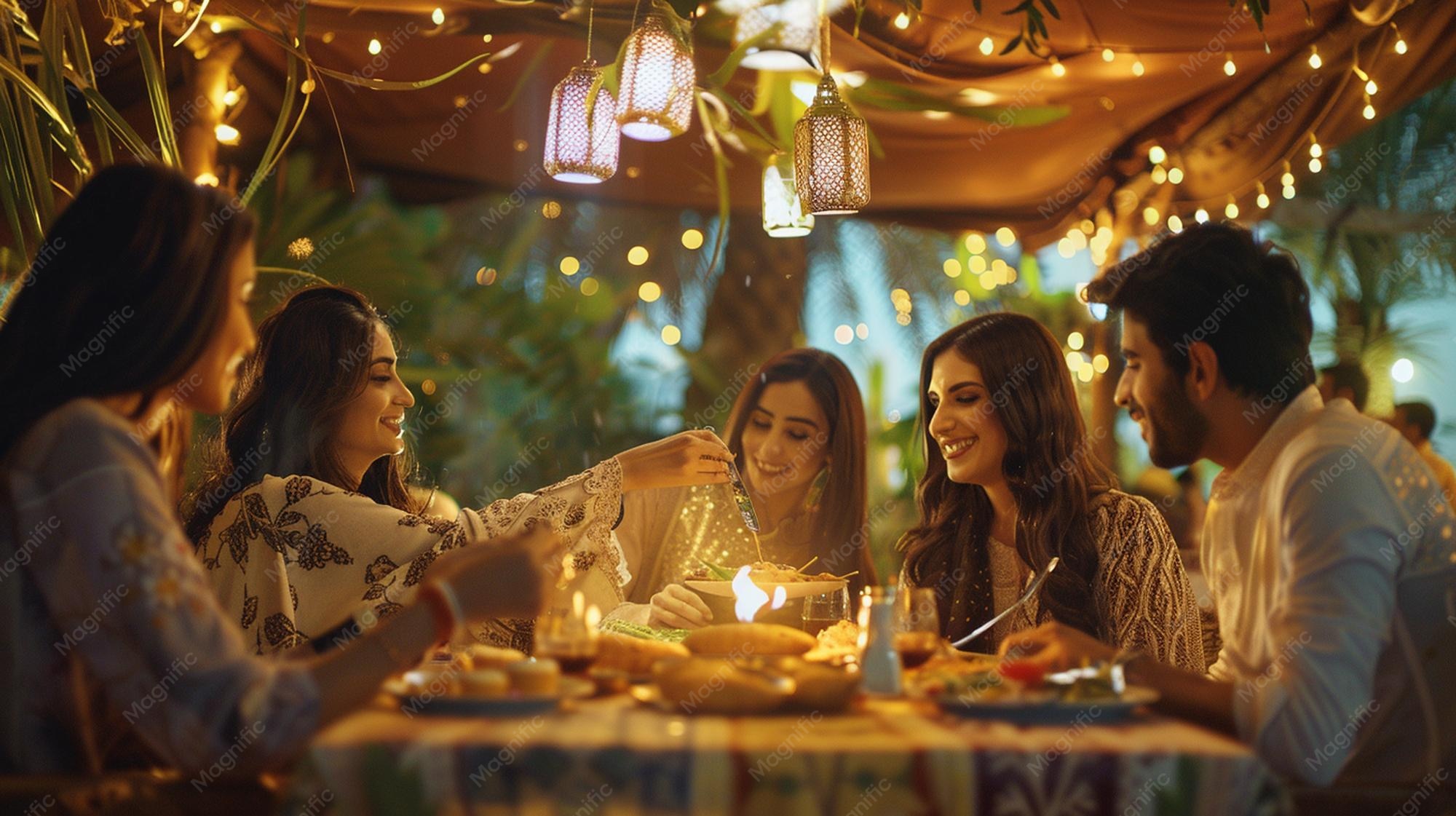
Diwali at home hits differently when you’re hosting 20 to 30 people — it’s too big for a casual potluck, but not quite a full banquet event either. This is the trickiest guest range to cater for yourself: your kitchen simply isn’t built for it, and running back and forth between the stove and your guests means you miss half the evening. Here’s how to plan the food so you’re actually present at your own party.
Why Does 20–30 Guests Feel Harder Than a Bigger Party?
It sounds backwards, but mid-size home gatherings are often more stressful to self-cater than large ones. At 20–30 guests, you still feel obligated to cook “properly” — multiple dishes, fresh preparation, personal touches — but your kitchen space, burner count, and serving dishes are built for a family of four or five. The result: dishes going cold while you plate the next one, and a host who’s spent the entire party near the stove instead of with guests.
This is exactly the gap that home catering services are built to close — professional prep and serving handled within your home’s actual space, without needing a commercial kitchen setup.
How Much Space Do You Actually Need for 20–30 Guests?
You don’t need to rearrange your whole home. For this guest range, you typically need:
- A clear serving counter or table (6–8 ft) for a small buffet spread
- One corner kept free for a live counter, if you’re including one (chaat, live tawa items, or a dessert station)
- Seating or standing space calculated at roughly 6 sq. ft. per guest, since most home parties are a mix of seated and mingling guests
Caterers experienced in house party catering in Mumbai will do a quick space assessment before finalizing the menu — this matters more than guest count alone in deciding whether you go buffet-style or plated service.
What Should Be on a Diwali Menu for This Guest Size?
For 20–30 guests, a focused menu beats an overloaded one. Aim for:
Starters (2–3 items):
- A live chaat or tikki counter
- One fried snack (kachori, samosa, or mini pakoras)
Mains (3–4 items):
- One North Indian curry, one dal, rice, and a bread option (naan/roti)
- A Gujarati or regional specialty if it suits your guest list
Diwali sweets counter:
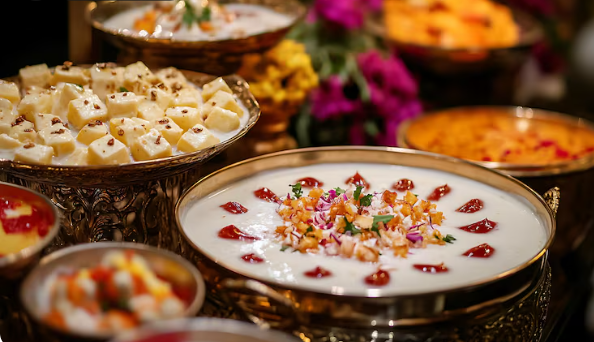
- 2–3 classic mithai options (kaju katli, motichoor ladoo, gulab jamun)
- A live dessert or fusion sweet counter, if you want a distinctive touch
Keeping it to 8–10 total items (versus 15+) means better quality control and faster service — a common mistake at this guest size is over-ordering variety at the cost of proper portioning.

For Under 20 Guests: Two Flexible Options
If your gathering is smaller — under 20 guests — you don’t need a full live-counter setup. Soul Chef offers two ways to keep it simple:
Option 1: Food + Helper
You provide the crockery and cutlery, and Soul Chef sends the food along with a helper straight to your house — no minimum billing. A good fit for smaller, casual Diwali get-togethers where you just need an extra pair of hands to serve.
Option 2: Complete Service
Prefer to hand off everything? This option includes crockery, cutlery, and manpower — Soul Chef sets up and serves the entire party for you, starting at ₹35,000 plus transport.
Should You Choose a Buffet or Plated Service for This Size?
For 20–30 guests, a self-serve buffet with 1–2 live counters is usually the sweet spot. Fully plated service works better below 15 guests, and above 30 it starts needing more staff than a home buffet setup can comfortably support. A buffet also keeps the evening more social — guests can eat at their own pace between conversations, which matches the relaxed nature of a Diwali home gathering better than formal seated service.
How Do You Handle Dietary Mixes at a Home Diwali Party?
Most Diwali guest lists include a mix of preferences — some vegetarian, some Jain, some with no restrictions. Rather than making separate dishes for each, plan a menu where the vegetarian and Jain versions overlap as much as possible (skip onion-garlic in shared dishes, for instance), and add 1–2 separate items only where needed. This keeps your catering for 25 people manageable without doubling your dish count.
What’s the Realistic Cost Range for 20–30 Guests?
Costs vary by menu complexity and whether you include live counters, but as a general guide: a straightforward buffet with 8–10 items typically costs less per head than one with 2+ live counters, since live stations need dedicated staff and equipment. Ask for a per-plate quote broken into starters, mains, and dessert — it’s easier to trim one section (say, drop a live counter) without renegotiating the whole menu.
A 20–30 guest Diwali party should feel like a celebration you’re part of, not one you’re running from the kitchen. If you’d rather spend the evening with your guests than your stove, explore Soul Chef’s home catering services for a Diwali menu built around your space and guest list.
Frequently Asked Questions
Is 20–30 guests too small for a live counter?
No — one live counter (chaat or a dessert station) works well at this size and adds a festive touch without overwhelming a home setup.
Can I still cook one dish myself and get the rest catered?
Yes, many hosts keep one personal or family-recipe dish and let the caterer handle the rest — just flag it early so the caterer builds the menu around it.
How far in advance should I book for Diwali?
Diwali is peak season for home catering, so earlier booking gives you more flexibility on menu and live-counter options, though experienced caterers can often accommodate shorter notice too.