

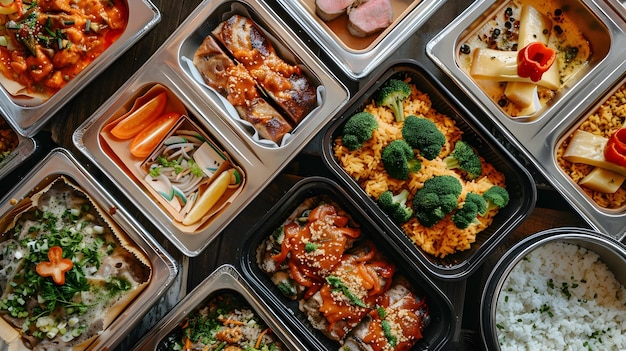
Planning lunch for a corporate team requires more than deciding how many meals to order. A lunch arrangement that works for a small group may not be practical for a team of 100 or more. Team size can affect the menu, portions, packaging, delivery, serving time and overall budget.
A well-planned corporate lunch box gives employees a convenient and complete meal without disrupting the workday. It can also help businesses manage food quantities better, reduce unnecessary waste and make distribution easier during meetings, training sessions and office events.
At Soul Chef, we understand that every corporate team has different catering needs. We help businesses plan meals around team size, food preferences, dietary requirements, and event schedules.
What Should You Consider Before Planning Corporate Lunch Boxes?
Before ordering catering, understand the team’s basic needs. Some planning now can prevent issues with quantities, meal choices, and delivery later.
Consider these factors before finalising the order:
- Number of employees: Confirm the expected headcount and keep a small buffer for unexpected attendees.
- Food preferences: Check the expected demand for vegetarian and non-vegetarian meals.
- Dietary requirements: Identify allergies, food restrictions and specific meal preferences in advance.
- Event schedule: Consider when lunch will be served and how much time employees have to eat.
- Budget: Set a realistic per-person budget before choosing the menu.
- Delivery location: Share the complete office or event location with the catering team.
- Packaging: Choose packaging that keeps food secure and makes the meal easy to handle.
Experienced corporate event caterers can also help businesses plan quantities and menus according to the size and nature of the event.
How Many Lunch Boxes Are Needed for a Small Corporate Team?
For a team of 10 to 25 employees, lunch planning offers more flexibility, making it easier to accommodate individual preferences due to the small meal size.
A corporate lunch box for a small team could include:
| Meal component | Suitable options |
| Main course | Rice, pulao, biryani or bread with curry |
| Protein or side | Paneer, dal, chicken or vegetable preparation |
| Accompaniment | Salad, raita or pickle |
| Dessert | A small sweet or dessert |
| Extras | Cutlery and napkins, if required |
Smaller teams can use an internal form to collect meal preferences, helping organizers estimate the need for vegetarian, non-vegetarian, or special meal boxes and avoid over-ordering.
What Is the Best Way to Plan Lunch Boxes for Medium-Sized Teams?
When the team grows to around 25 to 100 people, consistency becomes more important. Preparing and distributing dozens of individual meals requires better coordination.
Professional corporate caterers can help manage larger quantities while keeping the menu practical. Instead of offering too many choices, businesses can provide two or three clearly defined meal options.
For example:
- Vegetarian meal box
- Non-vegetarian meal box
- Special meal box for specific dietary requirements
For office lunch catering, labelling each box by meal type can speed up distribution. Employees can identify their meals without opening multiple boxes or asking the organisers.
It is also sensible to keep a small number of additional meals available. This provides flexibility if more employees attend than expected.
How Should You Plan Corporate Lunch Boxes for Large Teams?
When the team exceeds 100 people, lunch planning becomes a larger logistical task. The focus shifts towards consistency, timing, quantity and smooth distribution.
Large-scale corporate catering services in Mumbai must account for food preparation, packaging, transportation, and delivery schedules. Even a small delay can affect many employees.
For larger teams, follow a structured approach:
- Confirm the headcount: Finalise the expected number of meals before you start preparing.
- Keep the menu manageable: Select dishes that can be prepared and packed consistently in large quantities.
- Separate meal categories: Clearly identify vegetarian, non-vegetarian and special meal boxes.
- Plan delivery: Confirm the delivery time and receiving point at the office.
- Keep a buffer: A small number of extra meals can help manage unexpected attendance.
- Organise distribution: Decide whether to hand out boxes individually or place them at designated collection points.
At this scale, a professional corporate catering service can reduce the internal team’s workload and make coordination easier.
Which Foods Work Well for Corporate Lunch Catering?
Not every dish suits a packed office meal. Some foods may lose texture during transport, while others may be difficult to eat without extra serving arrangements.
For office lunch catering, choose dishes that are easy to pack, transport and consume.
A practical meal can include:
- One filling main course
- Rice, bread or another suitable carbohydrate
- A protein or vegetable preparation
- One accompaniment
- A simple dessert
- Cutlery and napkins
The menu should offer variety without becoming difficult to manage. Too many dishes can increase packaging requirements, preparation time and the chances of distribution errors.
Experienced corporate event caterers can help select suitable dishes based on the team size, event schedule and delivery requirements.
How Can You Manage Different Dietary Preferences in Lunch Boxes?
Corporate teams often include employees with different food preferences. Planning for these requirements early helps ensure everyone has a suitable meal.
Businesses don’t need a separate menu for each employee. Focus on common requirements and create specific meal categories where necessary.
These may include:
- Vegetarian meals
- Non-vegetarian meals
- Jain meal options
- Meals planned around specific dietary restrictions, where feasible
- Lighter meal options
Clear labelling prevents confusion and ensures employees receive the correct meal. For large events, share dietary info with catering early.
How Does Team Size Affect the Corporate Lunch Budget?
Employee count greatly affects catering costs, but the menu, packaging, delivery, and extra requirements also shape the final budget.
| Team size | Main planning focus | Suitable approach |
| 10–25 | Preferences | Allow more customisation |
| 25–100 | Consistency | Keep a few meal choices |
| 100–250 | Logistics | Standardise menus and labelling |
| 250+ | Scale | Plan production and distribution carefully |
For larger orders, discuss the full requirements with corporate caterers instead of focusing only on the price per meal. Knowing what is included makes budgeting easier and helps avoid unexpected costs.
When Should You Book Corporate Catering Services for an Office Event?
Start planning early for events with many employees. Early talks help the catering team understand the menu, quantities, and delivery needs.
When arranging corporate catering services in Mumbai, provide details such as:
- Event date and lunch time
- Office or event location
- Expected guest count
- Vegetarian and non-vegetarian requirements
- Dietary preferences
- Budget range
- Packaging expectations
- Delivery and distribution requirements
Confirm the final headcount as early as possible. This allows the corporate catering service to plan ingredients, preparation and packaging more accurately.
Planning Corporate Lunches with Greater Ease
Corporate lunch planning works best when businesses consider all requirements, not just meal numbers. Factors like team size, menu choices, dietary needs, packaging, budget, and delivery timing impact service. Planning ahead prevents shortages, waste, and last-minute changes.
Whether you are arranging lunch for a small department meeting or coordinating meals for a large office event, a suitable corporate lunch box can provide employees with a convenient dining option. Working with experienced corporate event caterers can also make it easier to manage preparation, packaging and delivery as the guest count increases.
At Soul Chef, we offer corporate catering tailored to various businesses and events. Our team helps plan practical meals based on team size, preferences, and event needs, making corporate lunches easier to organise. Contact Soul Chef to plan your next corporate lunch.
Frequently Asked Questions
1. What should a corporate lunch box include?
A typical lunch box includes a main course, rice or bread, a vegetable or protein, an accompaniment, and a dessert. The combination depends on the event, budget, and employee preferences.
2. Should I order extra lunch boxes for a corporate event?
Keeping a small buffer above the confirmed headcount can be useful. The exact number depends on the team size and how likely attendance is to change.
3. How can companies manage vegetarian and non-vegetarian meals?
Plan separate meal categories before the event. Clearly labelled boxes make it easier for employees to identify and collect their preferred meals.
4. What food is suitable for office lunch catering?
Foods that travel well, remain appealing during the expected serving period and are easy to eat are generally suitable. The menu should also work well with the chosen packaging.
5. How early should corporate catering be arranged for a large team?
Start planning as early as possible. Larger events require additional time for menu selection, headcount confirmation, dietary requirements, packaging and delivery coordination.