
This blog compares live cooking stations and plated meals in event catering, explaining their pros, cons, and the best situations for each service style.
Modern celebrations are no longer just about serving food. Guests notice how it is served and how it fits the event experience. The choice between live cooking stations and plated meals can affect the mood, pace, and level of interaction at any gathering. This decision plays a key role in how smoothly event catering functions during the occasion.
Both styles are widely used by experienced party caterers, depending on the type of event. Teams like Soul Chef, known for handling diverse catering needs and events, often help hosts choose a service style that matches the venue, guest count, and atmosphere. Understanding the difference between these two approaches helps in planning an event that feels well-organized and enjoyable for everyone.
What Are Live Cooking Stations?
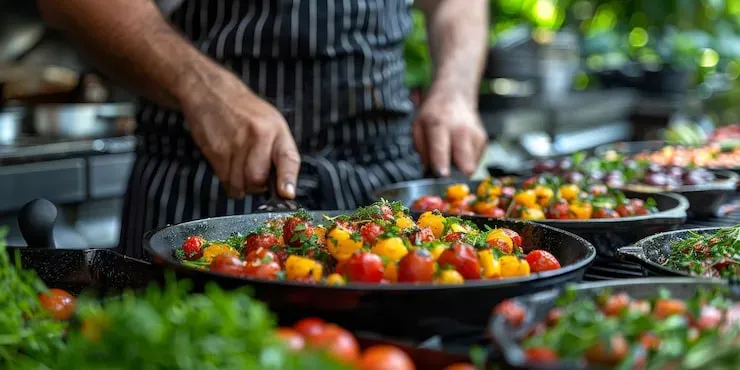
Live cooking stations are setups where chefs prepare food on the spot during an event. Guests can see the cooking process and sometimes choose ingredients or customisations. This style adds activity and energy to the space, which is why it is popular in modern event catering.
These stations are often placed in open areas where people gather and interact. Many party caterers use live stations to create a more engaging food experience while keeping service fresh and flexible.
What Is Pre-Plated Service?
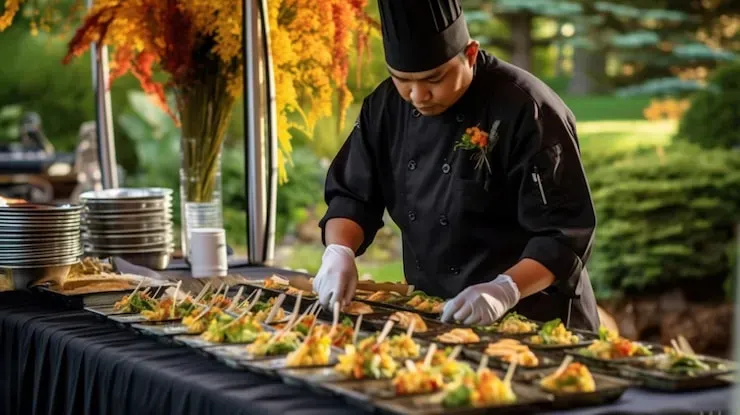
Pre-plated service is when dishes are prepared in advance and served directly to guests, usually at their seats. This format is structured and commonly seen in formal dinners and events where timing is important.
Professional event catering services prefer this style when the event schedule is fixed and guest seating is planned. It allows smooth serving without movement, making it suitable for occasions that require a more organised dining setup.
Pros of Live Cooking Stations
Live stations add energy, freshness, and interaction to event catering, making them a popular choice for social gatherings.
- Creates guest engagement
Guests enjoy watching chefs prepare dishes in front of them. This interaction adds movement and conversation, which many caterers use to make events feel more lively.
- Food is served fresh
Since items are cooked in small batches, dishes reach guests hot and freshly prepared. This helps maintain quality throughout the event.
- Adds visual appeal
The cooking process becomes part of the atmosphere. Flames, grills, and chef action add excitement, enhancing the overall event experience.
- Allows customisation
Guests can request changes, such as spice levels or toppings. This flexibility makes live stations suitable for guests with mixed preferences.
Cons of Live Cooking Stations
While live stations enhance catering, they also present challenges that party caterers must manage carefully.
- Requires more space
Live counters need room for equipment, chefs, and guest movement. At crowded events, this can affect layout planning.
- Higher staffing needs
Each station requires trained chefs and service staff, which increases coordination compared to simpler setups.
- Possible waiting time
During peak moments, guests may need to wait while food is being prepared fresh.
- Weather dependency
Outdoor caters and events organizer must consider wind, heat, and humidity, which can affect live cooking operations.
- Needs constant supervision
Teams like Soul Chef ensure quality and safety by monitoring stations throughout the event, as live setups require ongoing attention.
Pros of Pre-Plated Service
Pre-plated meals are widely used in structured event catering because they allow service to follow a clear plan.
- Smooth and predictable service
Meals are prepared in advance and served together, which helps event catering services maintain a steady pace without delays.
- Ideal for large guest counts
When many guests are seated, party caterers can serve everyone efficiently without creating queues or crowding.
- Suitable for formal settings
Pre-plated dining supports a refined atmosphere, making it common at formal dinners, conferences, and ceremonies.
- Better portion control
Each guest receives the same serving size, which helps with planning quantities and reducing food waste.
- Less space required
Since there are no live counters, the layout stays clean and organised, leaving more room for seating and décor.
Cons of Pre-Plated Service
Although organised, pre-plated meals also have limitations that affect the overall catering experience.
- Less interactive for guests
Guests do not see food preparation, so the dining experience feels more traditional and less engaging.
- Food temperature can vary
If service is delayed, dishes may cool before reaching guests, which party caterers must manage carefully.
- Limited customisation
Special preferences are harder to accommodate once meals are plated, reducing flexibility compared to live formats.
- Fixed timing required
Pre-plated service works best when guests are seated on time. Delays can affect the schedule for event catering services.
- Not ideal for casual events
In relaxed gatherings where guests move freely, this format can feel restrictive.
Best Use Cases — Which Works When?
Choosing the right catering format depends on the event style, guest behaviour, and venue setup.
Live Cooking Stations Work Best When:
- Events are social, and guests move around instead of staying seated.
- The venue has enough open space for counters and guest circulation.
- The goal is to create an engaging food experience along with dining.
- The menu includes freshly prepared or customisable dishes.
- The event schedule is flexible rather than strictly timed.
Pre-Plated Service Works Best When:
- The event is formal, and guests remain seated for dining.
- A large number of guests need to be served simultaneously.
- The program follows a fixed timeline with speeches or performances.
- Venue space is limited and cannot accommodate live counters.
- The focus is on organised dining rather than interactive activity.
Can Both Be Combined?
Many catering services now blend styles by having live stations for appetizers and plating main courses, offering a mix of interaction and organization.
Expert Tips from Party Caterers
Party caterers think about more than just the food; they consider the entire event setup before choosing how to serve.
- The venue layout should guide the decision, as open spaces support live setups while compact venues suit plated meals.
- Guest type matters: corporate gatherings often prefer structure, while social events prefer interactive service.
- Event timing must be checked, as tight schedules work better with plated service under professional event catering.
- Weather should be considered for outdoor functions, as live stations need protection from wind or heat.
- A mix of both styles can work well when a balance between engagement and smooth service is needed.
These practical factors help event catering run efficiently while matching the occasion’s mood.
Choosing the Right Service for the Right Experience
There is no single best format in event catering. The best choice for serving food depends on the experience you want to create. Live cooking is energetic and interactive, while plated meals offer structure and a set schedule. When the service style fits the venue, guest expectations, and event flow, the dining experience feels smooth and well-organized.
Choosing the right catering style is easier with experienced party caterers. They take into account the venue, timing, and event type to suggest the best way to ensure guest comfort and smooth event flow. Caterers like Soul Chef, who specialize in personalized dining for social events, emphasize choosing a service style that fits the event’s goals instead of sticking to a standard approach.